
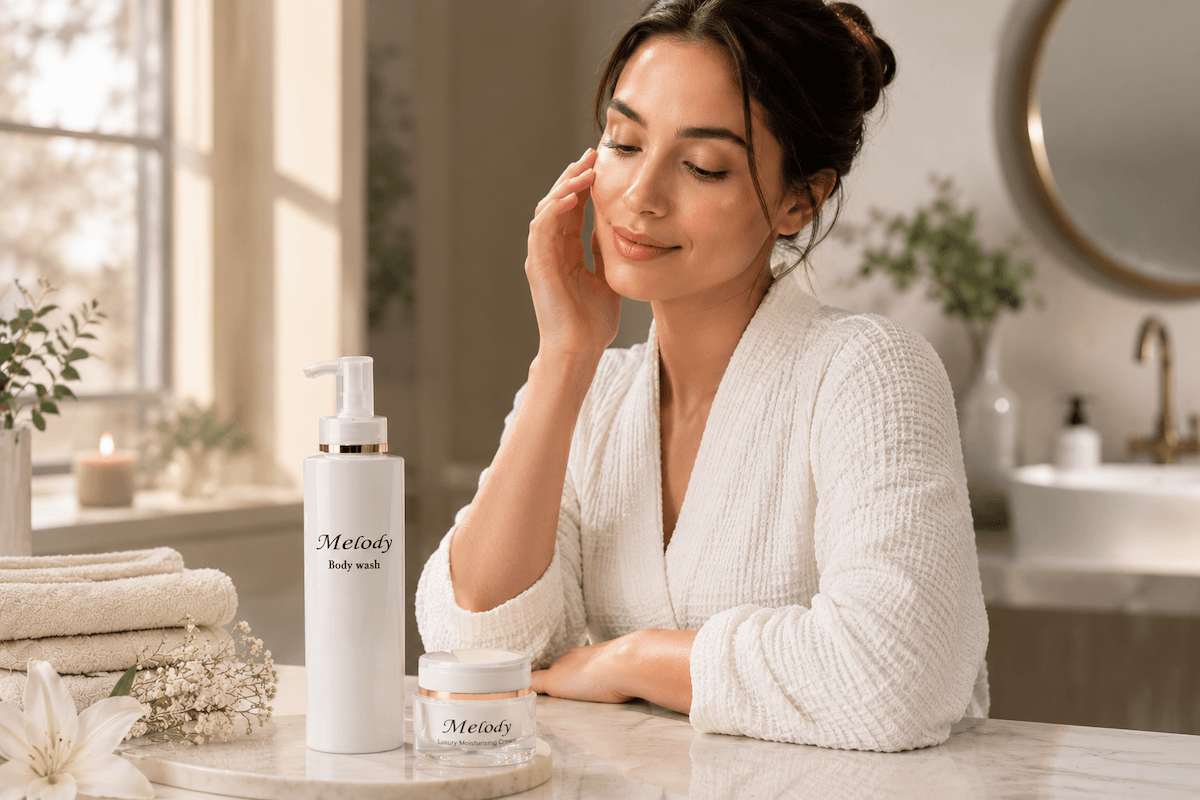
When your skin barrier is healthy, your skin feels comfortable, balanced, and naturally radiant. When it becomes weakened, dryness, sensitivity, and irritation can quickly follow.
What Is the Skin Barrier?
The skin barrier is the outermost layer of your skin. Its job is to protect the deeper layers while maintaining essential moisture.
A healthy skin barrier helps:
- Retain hydration
- Protect against pollution
- Reduce moisture loss
- Support smooth skin texture
- Keep skin looking healthy and balanced
This protective layer works around the clock to keep your skin functioning at its best.
Signs Your Skin Barrier May Be Compromised
Many common skin concerns can be linked to a weakened skin barrier.
You may notice:
- Persistent dryness
- Rough or flaky patches
- Increased sensitivity
- Skin that feels tight after cleansing
- Dull appearance
- Discomfort during seasonal changes
These signs often indicate that your skin needs extra support and nourishment.
What Can Damage Your Skin Barrier?
Your skin faces daily challenges that can affect its protective function.
Common causes include:
Over-Cleansing
Washing too frequently or using harsh cleansers can strip away natural oils.
Environmental Stress
Pollution, wind, UV exposure, and changing weather can weaken the skin barrier over time.
Hot Showers
While relaxing, excessively hot water can remove moisture from the skin.
Skipping Moisturiser
Without replenishing hydration, skin becomes more vulnerable to moisture loss.
How to Support a Healthy Skin Barrier
Fortunately, maintaining a healthy skin barrier doesn’t require a complicated routine.
Choose Gentle Cleansing Products
Start with body care products that cleanse effectively without leaving your skin feeling stripped or uncomfortable.
Moisturise Daily
Daily hydration helps support the skin’s natural barrier and maintain softness throughout the day.
Avoid Over-Exfoliation
Exfoliation can be beneficial, but too much can weaken the skin’s protective layer.
Be Consistent
Simple habits performed consistently often deliver better results than complicated routines.
Why Gentle Body Care Matters
Many people underestimate the impact of their daily body wash and cleansing routine.
A thoughtfully formulated body wash can help:
- Cleanse without excessive dryness
- Maintain skin comfort
- Support moisture balance
- Leave skin feeling refreshed and cared for
This is why choosing quality body care products plays such an important role in long-term skin health.
Building a Daily Routine for Barrier Support
A simple routine can help keep your skin healthy year-round:
Morning
- Gentle shower or cleanse
- Apply body moisturiser
- Stay hydrated throughout the day
Evening
- Gentle body wash
- Moisturise after bathing
- Allow your skin time to replenish overnight
Small daily habits create meaningful improvements over time.
The Connection Between Barrier Health and Glowing Skin
Many people focus on achieving glowing skin, but glow is often a reflection of healthy skin underneath.
When your skin barrier is functioning properly:
- Moisture is retained more effectively
- Skin appears smoother
- Texture improves
- Dryness becomes less noticeable
- Natural radiance becomes more visible
Healthy skin begins with protection, not perfection.
Final Thoughts
Your skin barrier works hard every day to protect and support your skin. Giving it the care it deserves through gentle cleansing, daily moisturising, and consistent body care habits can help maintain healthy, balanced skin throughout every season.
The path to softer, healthier-looking skin often starts with protecting the foundation that’s already there.